Execution · RAS Design

RAS design consulting from someone who has built and run one

I design recirculating aquaculture systems (RAS) that work on paper and in practice, because I spent ten years building and operating a commercial land-based marine RAS facility in Florida.

What is RAS design consulting?

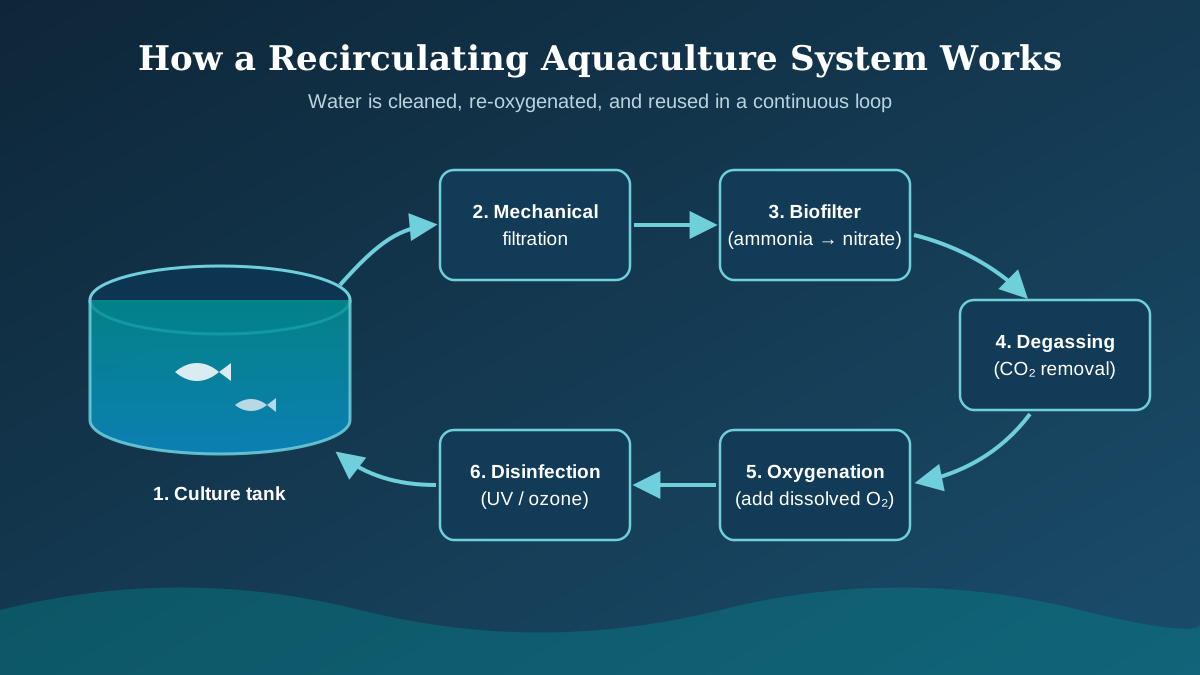
RAS design consulting is expert help planning a recirculating aquaculture system, a land-based fish farming system that cleans and reuses most of its water. A RAS consultant sizes and specifies the tanks, solids removal, biofiltration, degassing, oxygenation, disinfection, pumps, controls, and backup systems around your species and production goals, then helps you buy, build, commission, and run it.

Why work with an operator, not just a designer

A RAS that looks good in drawings can still be hard to feed, clean, maintain, and harvest, or expensive to run. In 2015 I started Aquaco LLC and took a commercial-scale marine RAS from business plan and capital raise through construction and day-to-day operations to a successful exit in 2025. That experience shapes every design decision I make.

I combine the latest technology with proven systems and husbandry practices, and I give honest, unbiased equipment advice. I'm not selling you a particular brand.
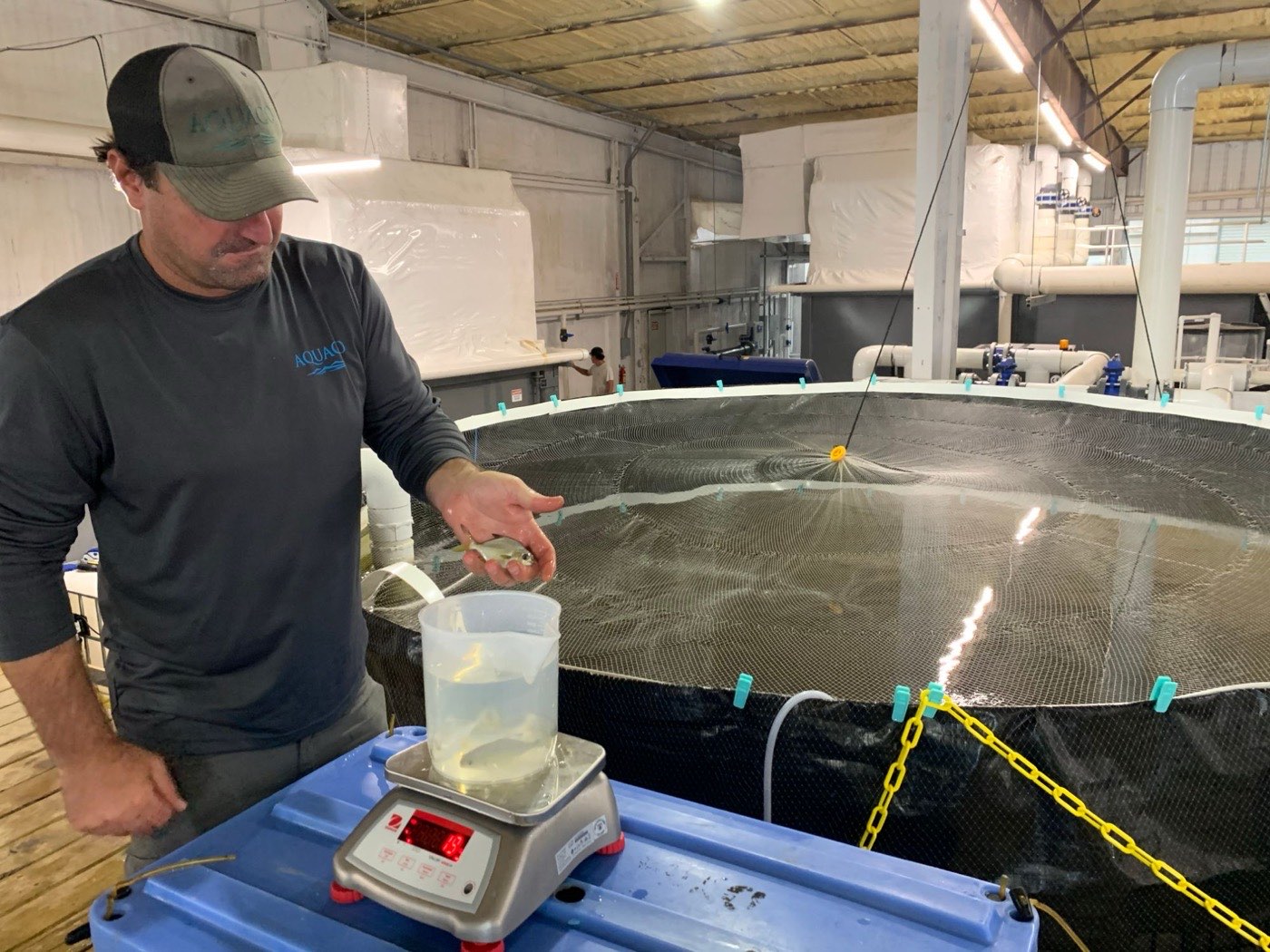
RAS design consultant Joe Cardenas weighing juvenile pompano beside a netted tank at the Aquaco land-based marine recirculating aquaculture facility in Florida
Joe Cardenas at the Aquaco LLC land-based marine RAS facility in Florida.
What's included

RAS design services, end to end or one piece at a time

Hire me for the whole system or for a single task.

System design & engineering

Complete RAS design for grow-out or hatchery production: culture tanks, mechanical filtration, biofiltration, degassing, oxygenation, UV or ozone disinfection, pumping, temperature control, monitoring, alarms, and backup power.

Independent design review

A second opinion on a design you already have. I check sizing against peak feed load, redundancy, solids handling, energy use, and day-to-day practicality before you commit to construction.

Equipment selection & procurement

Unbiased help choosing pumps, filtration, oxygenation, and monitoring equipment, sourced through my network of vendors and suppliers. More on equipment procurement.

Construction budgeting & timelines

Realistic budgets and schedules for building the system, with tracking to catch cost and timing risks early. More on construction budgeting.

Installation & commissioning

Oversight of installation and a structured commissioning process, including biofilter start-up, so the system performs as designed before fish go in. More on commissioning.

SOPs & staff training

Written operating procedures for water quality, maintenance, and emergencies, plus hands-on training so your team can run the system with confidence. More on SOPs and training.

Recirculating aquaculture system design diagram: culture tank, mechanical filtration, biofilter, degassing, oxygenation, and UV disinfection in a continuous water treatment loop
The core RAS water treatment loop. Read the full RAS design guide.
Engineered RAS systems

What a well-engineered RAS gets right

  • Designed around the bio plan. Species, stocking density, and feed load drive the design, not the other way around.
  • Sized for peak production. Biofiltration and solids removal handle the heaviest feeding days, not the average.
  • Built-in redundancy. Backup power, pumps, and oxygen supply protect the fish when something fails.
  • Practical to operate. Room to feed, clean, grade, maintain, and harvest without fighting the layout.
  • Efficient to run. Pumping, oxygen, and temperature control choices keep long-term operating costs in check.
Who I work with

RAS projects of every size, around the world

New land-based farms

Founders and investors planning a first RAS facility, often starting with a feasibility review and an investor-ready business plan.

Existing operations

Farms and hatcheries that want an independent design review, equipment upgrades, or better operating procedures.

Government, zoos & aquariums

Government programs, plus public zoos and aquariums that need life support systems (LSS) built on the same water treatment principles.

Based in Florida, serving clients worldwide, with recent projects in the United States, Mexico, Canada, Africa, and Australia.

How it works

From first call to running system

  1. Consultation. We talk through your species, goals, site, budget, and timeline, by phone, Microsoft Teams, or Zoom.
  2. Scope. I recommend what you actually need: a full design, a review, or one specific piece.
  3. Design. The system is sized and specified around your bio plan and production targets.
  4. Equipment & budget. Equipment lists, sourcing, and a realistic construction budget and schedule.
  5. Build & commission. Installation oversight and structured commissioning before stocking.
  6. Operate. SOPs and staff training so the system runs consistently from day one.

RAS design consulting: frequently asked questions

What does a RAS design consultant do?

A RAS design consultant plans the recirculating aquaculture system around your species and production goals: tanks, solids removal, biofiltration, degassing, oxygenation, disinfection, pumps, temperature control, monitoring, and backup systems. I then help with equipment selection, budgeting, commissioning, and training.

Can you review a RAS design someone else created?

Yes. An independent design review is a common single-task engagement: a second opinion on whether a system is sized correctly, has enough redundancy, and will be practical to operate before construction starts.

Do you design marine RAS?

Yes. I built and operated a commercial-scale, land-based marine RAS facility in Florida from 2015 to a successful exit in 2025, and I work with all system types.

Do you work on RAS projects outside Florida?

Yes. I'm based in Florida and serve clients worldwide, with recent projects in the United States, Mexico, Canada, Africa, and Australia.

When should I bring in a RAS consultant?

Before the design is finalized and equipment is ordered. RAS design mistakes are cheap to fix on paper and expensive to fix once concrete is poured. Here's why early expert input saves time and money.

Planning or improving a RAS?

Tell me about your project, and I'll tell you honestly where outside expertise would help most.